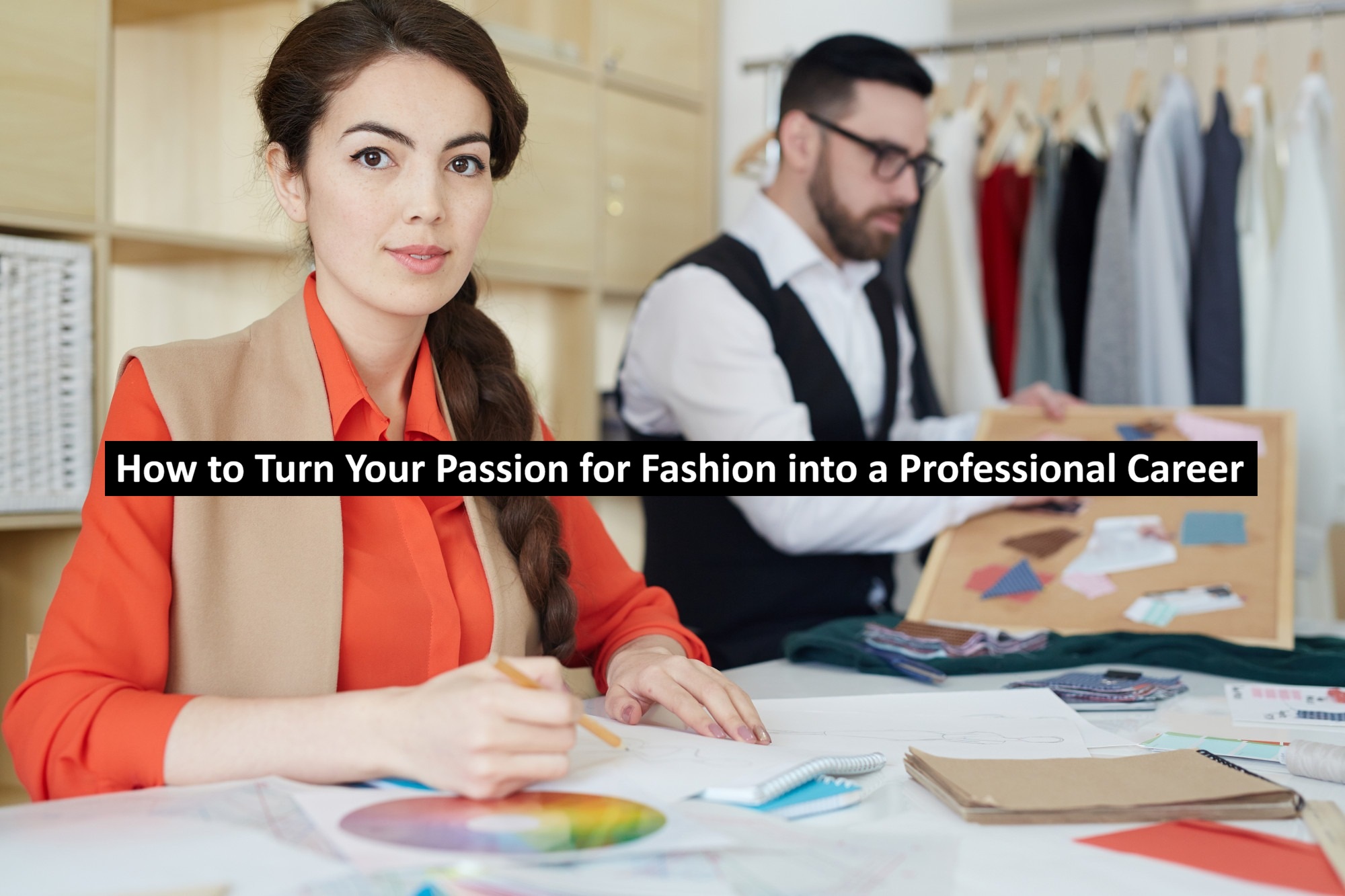
Fashion is more than clothing, colours, and changing trends. It is a form of creative expression that combines design, culture, craftsmanship, business, and communication. For people who naturally enjoy creating outfits, experimenting with fabrics, following trends, or developing their own style, fashion can become more than a hobby—it can become a rewarding professional career.
However, turning a passion for fashion into a profession requires more than creativity. Aspiring fashion professionals need technical knowledge, practical experience, industry awareness, and the ability to transform creative ideas into marketable designs.
If you are wondering how to build a successful career from your interest in fashion, the following steps can help you move from passion to profession.
1. Understand What Attracts You to Fashion
The first step is identifying what aspect of fashion interests you the most. The fashion industry includes numerous career paths, and you do not necessarily have to become a fashion designer.
You may be interested in:
- Fashion designing
- Textile and surface design
- Fashion styling
- Fashion illustration
- Fashion merchandising
- Fashion marketing
- Costume design
- Fashion photography
- Fashion communication
- Fashion entrepreneurship
- Apparel production
Spend time exploring different areas before deciding on a particular career direction. Understanding your interests and strengths will help you choose the right educational path.
Read: Improve Your Arguing: 3 Tips to Guide Conflict to a Satisfying Resolution
2. Develop Your Creative Skills
Creativity is one of the most important qualities in fashion, but creativity can also be developed through regular practice.
Start by observing fashion around you. Study clothing silhouettes, colours, patterns, fabrics, accessories, and styling techniques. Create mood boards, experiment with sketches, and maintain a fashion journal to record ideas and inspirations.
You can also practice by redesigning existing garments or creating outfits based on particular themes. These exercises can help you develop your own creative perspective.
3. Learn the Technical Side of Fashion
Having good ideas is important, but professional fashion designers also need technical knowledge.
Depending on your chosen career path, you may need to learn:
- Fashion illustration
- Design principles
- Colour theory
- Textile knowledge
- Pattern making
- Garment construction
- Draping
- Sewing techniques
- Fashion history
- Computer-aided design
- Trend forecasting
Technical skills allow you to convert an idea or sketch into a practical garment or commercially viable fashion product.
4. Get Professional Fashion Education
Structured education can provide a strong foundation for aspiring fashion professionals. A good fashion program can combine creative development with technical training and practical exposure.
Students can learn how the design process works, from researching trends and developing concepts to creating sketches, selecting fabrics, constructing garments, and presenting finished collections.
Formal education can also introduce students to industry practices and help them understand the expectations of professional fashion environments.
5. Build a Strong Fashion Portfolio
A portfolio is one of the most important tools for anyone pursuing a career in fashion. It allows potential employers, clients, or collaborators to see your creativity and technical abilities.
Your portfolio can include:
- Fashion illustrations
- Mood boards
- Textile experiments
- Garment designs
- Finished outfits
- Styling projects
- Design collections
- Photography
- Digital fashion projects
Focus on quality rather than simply adding a large number of projects. Your portfolio should demonstrate your creative thinking, design process, versatility, and personal style.
As your skills improve, continue updating your portfolio with stronger and more relevant work.
6. Follow Fashion Trends Without Losing Your Identity
Fashion is constantly evolving. Designers and professionals need to understand current trends, but following every trend does not mean copying what is popular.
Follow fashion weeks, designers, fashion publications, social media platforms, exhibitions, and cultural developments. Study why certain colours, silhouettes, fabrics, or styles become popular.
At the same time, develop your own design identity. A distinctive creative perspective can help you stand out in a competitive industry.
7. Gain Practical Experience
Classroom knowledge becomes more valuable when it is supported by practical experience.
Look for internships, apprenticeships, workshops, fashion events, styling projects, or opportunities to assist established professionals. Practical experience can teach you how the industry operates beyond the classroom.
During an internship, you may learn about sourcing, production, client requirements, fittings, deadlines, merchandising, presentations, and teamwork.
Even small projects can help you develop professional confidence and build valuable experience.
8. Develop Digital Fashion Skills
Technology has become an important part of the modern fashion industry. Designers increasingly use digital tools for illustration, technical drawings, presentations, mood boards, and design development.
Learning relevant design software can improve your workflow and make it easier to communicate your ideas professionally.
You should also understand how fashion is presented digitally. Social media, online portfolios, e-commerce platforms, and digital marketing can play an important role in building a fashion career.
9. Build Your Professional Network
Networking can open doors to opportunities that may not be advertised publicly.
Connect with:
- Fashion designers
- Stylists
- Textile professionals
- Photographers
- Models
- Fashion brands
- Merchandisers
- Retail professionals
- Industry mentors
- Other fashion students
Attend exhibitions, workshops, fashion shows, seminars, and industry events whenever possible.
Networking is not simply about asking people for jobs. It is about building genuine professional relationships and learning from people with industry experience.
10. Create Your Own Fashion Projects
You do not have to wait for your first job to start building your professional identity.
Create independent projects that demonstrate your capabilities. You could design a small capsule collection, experiment with sustainable fashion, style a photoshoot, create fashion illustrations, or develop a concept for your own clothing label.
These projects can become valuable additions to your portfolio and may even help you discover a potential business opportunity.
11. Understand the Business Side of Fashion
If you want to eventually launch your own brand, creativity alone will not be enough.
Fashion entrepreneurs need to understand areas such as:
- Costing and pricing
- Sourcing
- Production
- Inventory management
- Branding
- Marketing
- Customer research
- Retail
- E-commerce
- Financial planning
Understanding the commercial side of fashion can help you turn creative ideas into sustainable business opportunities.
12. Consider Sustainability in Your Career
Sustainability has become an increasingly important consideration within the fashion industry. Designers and brands are exploring responsible materials, better production practices, waste reduction, recycling, and longer-lasting products.
Aspiring fashion professionals can benefit from understanding sustainable design principles and considering how their creative decisions affect resources, production, and consumers.
Developing knowledge of sustainable fashion can also help you respond to changing industry expectations.
13. Stay Consistent and Keep Learning
Fashion careers rarely develop overnight. Building expertise requires continuous learning, experimentation, and patience.
Keep improving your technical skills, study new designers, follow industry developments, seek feedback, and experiment with new ideas. Treat mistakes as part of the creative process rather than reasons to stop.
Your first job may not be your dream position, and your first collection may not be your best work. What matters is continuing to build your skills and experience.
Career Opportunities in Fashion
A fashion qualification and strong portfolio can lead to a variety of career opportunities.
Depending on your interests and skills, you could pursue roles such as:
- Fashion designer
- Assistant designer
- Fashion stylist
- Textile designer
- Fashion illustrator
- Fashion merchandiser
- Costume designer
- Fashion consultant
- Fashion marketer
- Visual merchandiser
- Fashion entrepreneur
Some professionals work for established fashion houses and apparel companies, while others work independently, freelance, or establish their own brands.
Conclusion
Turning a passion for fashion into a professional career requires a combination of creativity, technical knowledge, practical experience, and determination. Start by identifying your interests, develop your design skills, gain professional education, build a strong portfolio, and look for opportunities to gain real-world experience.
With continuous learning and a clear creative direction, your interest in fashion can become the foundation for a fulfilling and sustainable career.
Author’s Bio:
Raj Kapoor is a fashion and lifestyle writer with a strong interest in fashion education, emerging design trends, creative careers, and the changing fashion industry. He also explores how choosing the right fashion design institute can help students build a strong foundation for a successful career in fashion.